















Our Mission: Let's make democracy work better
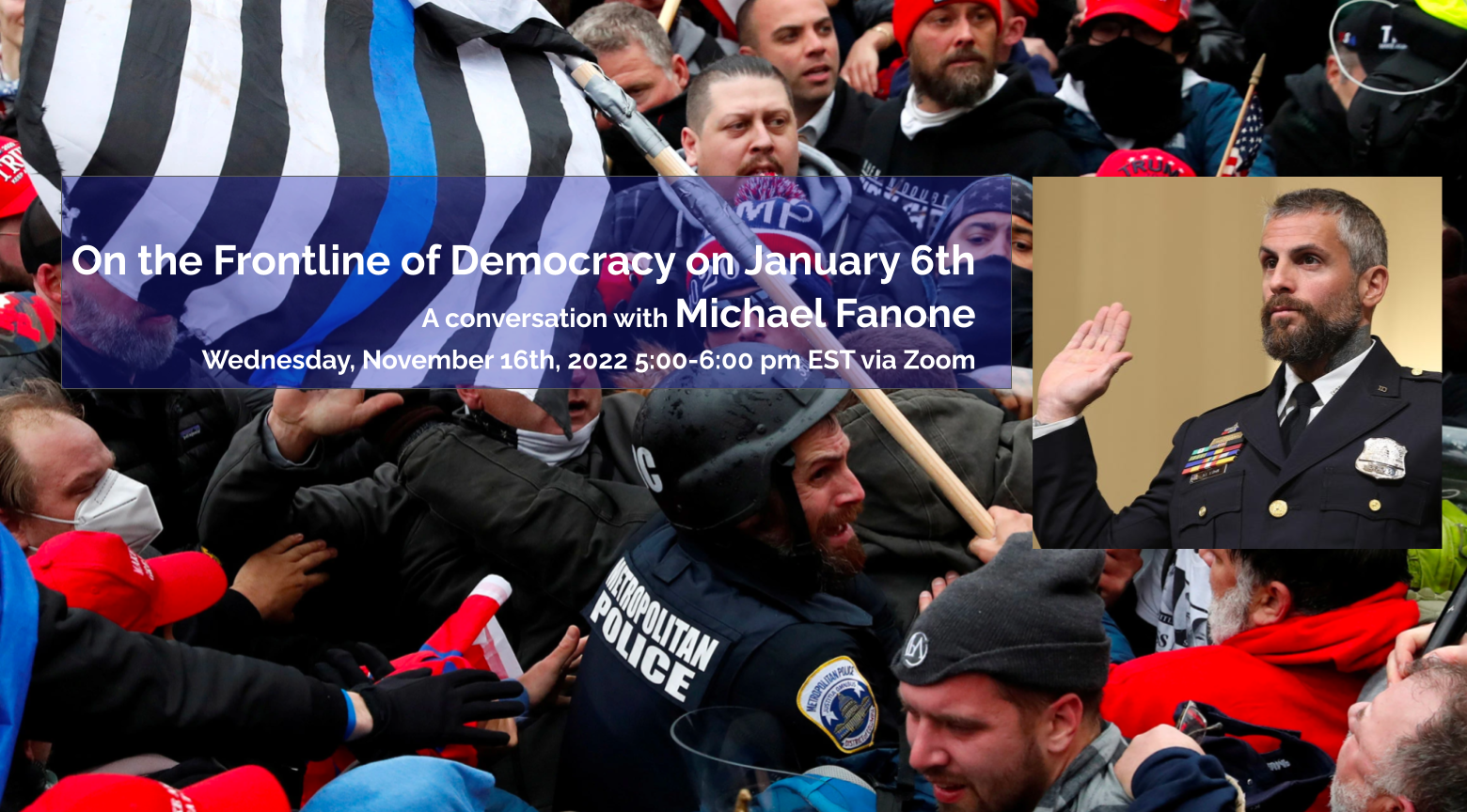
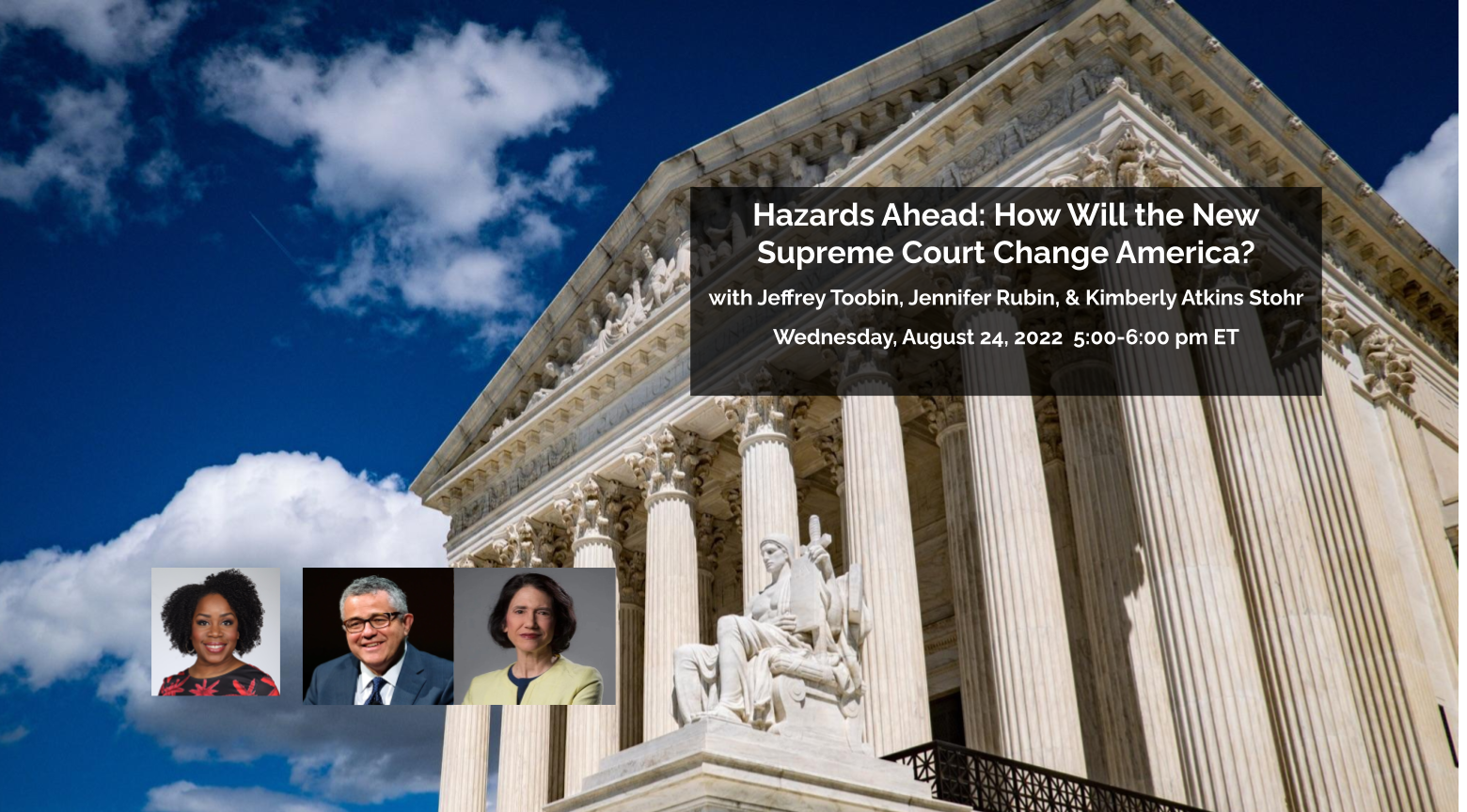
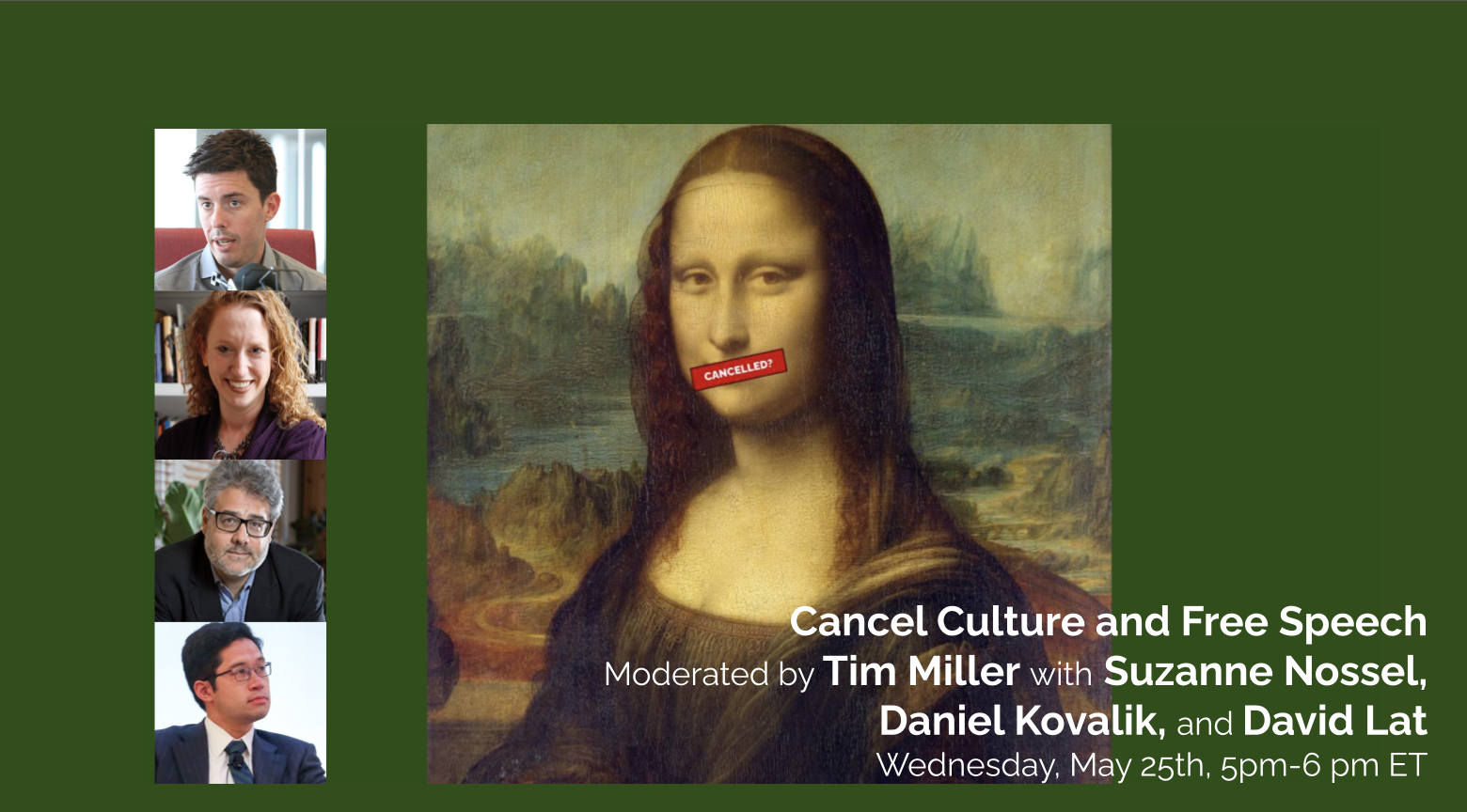
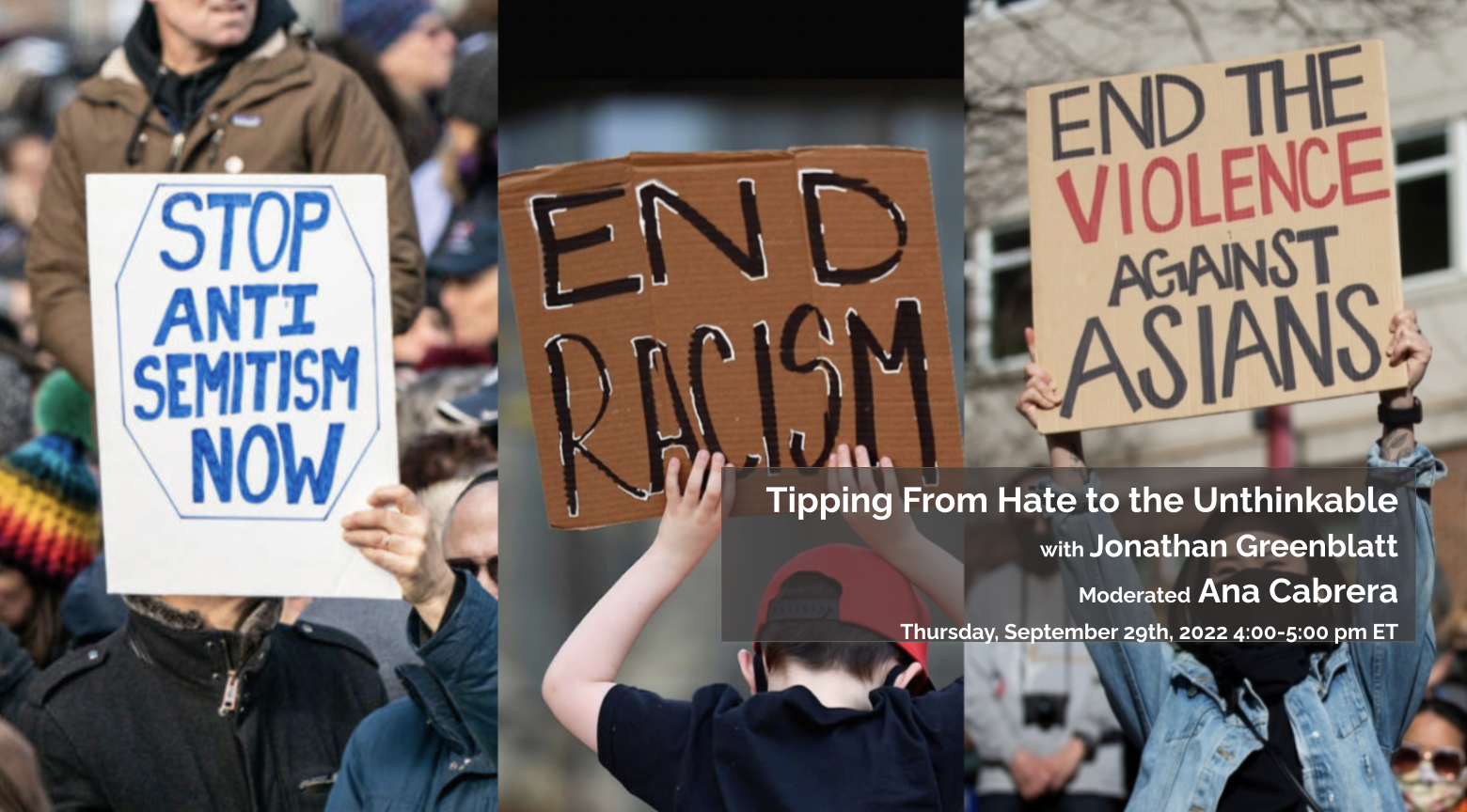
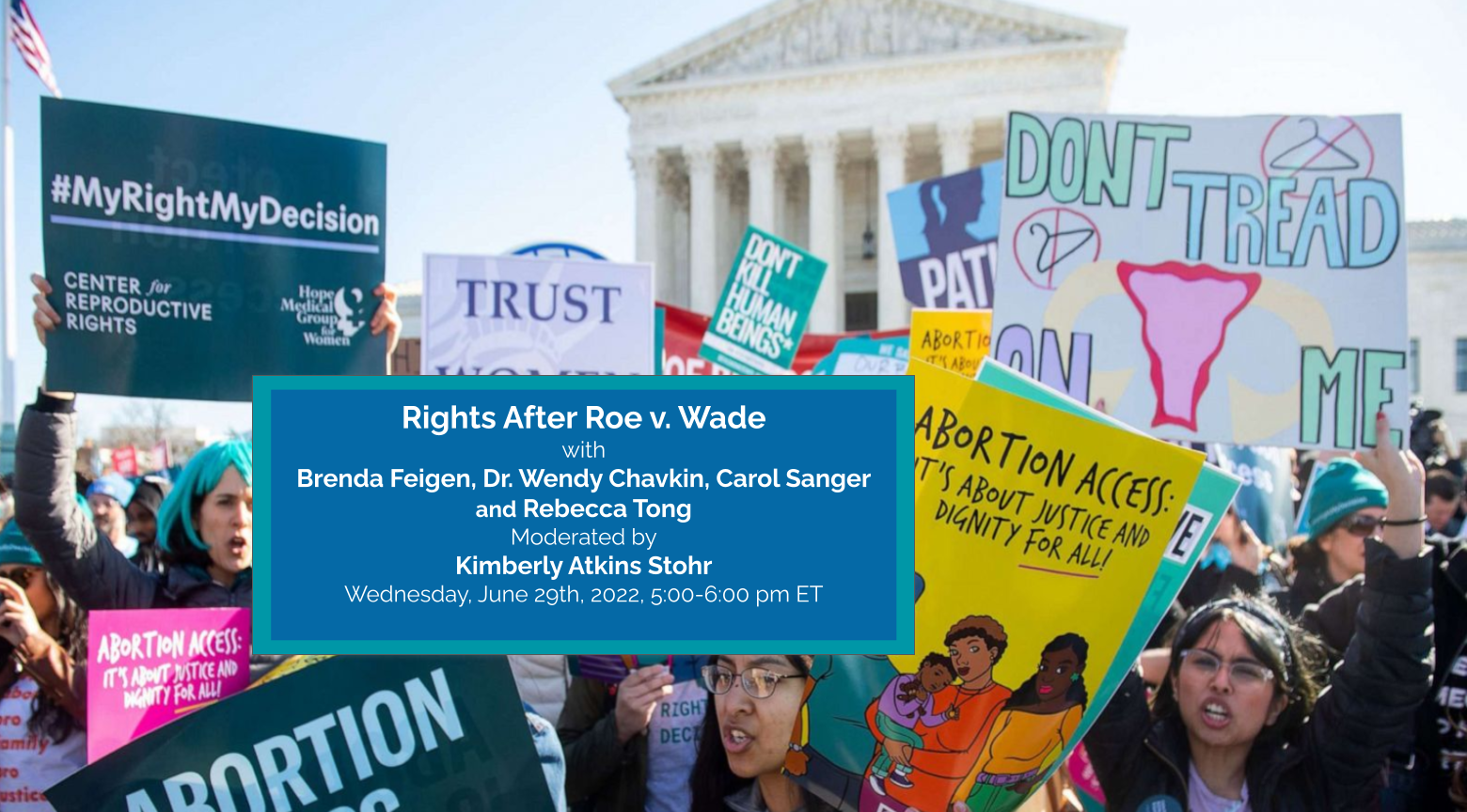
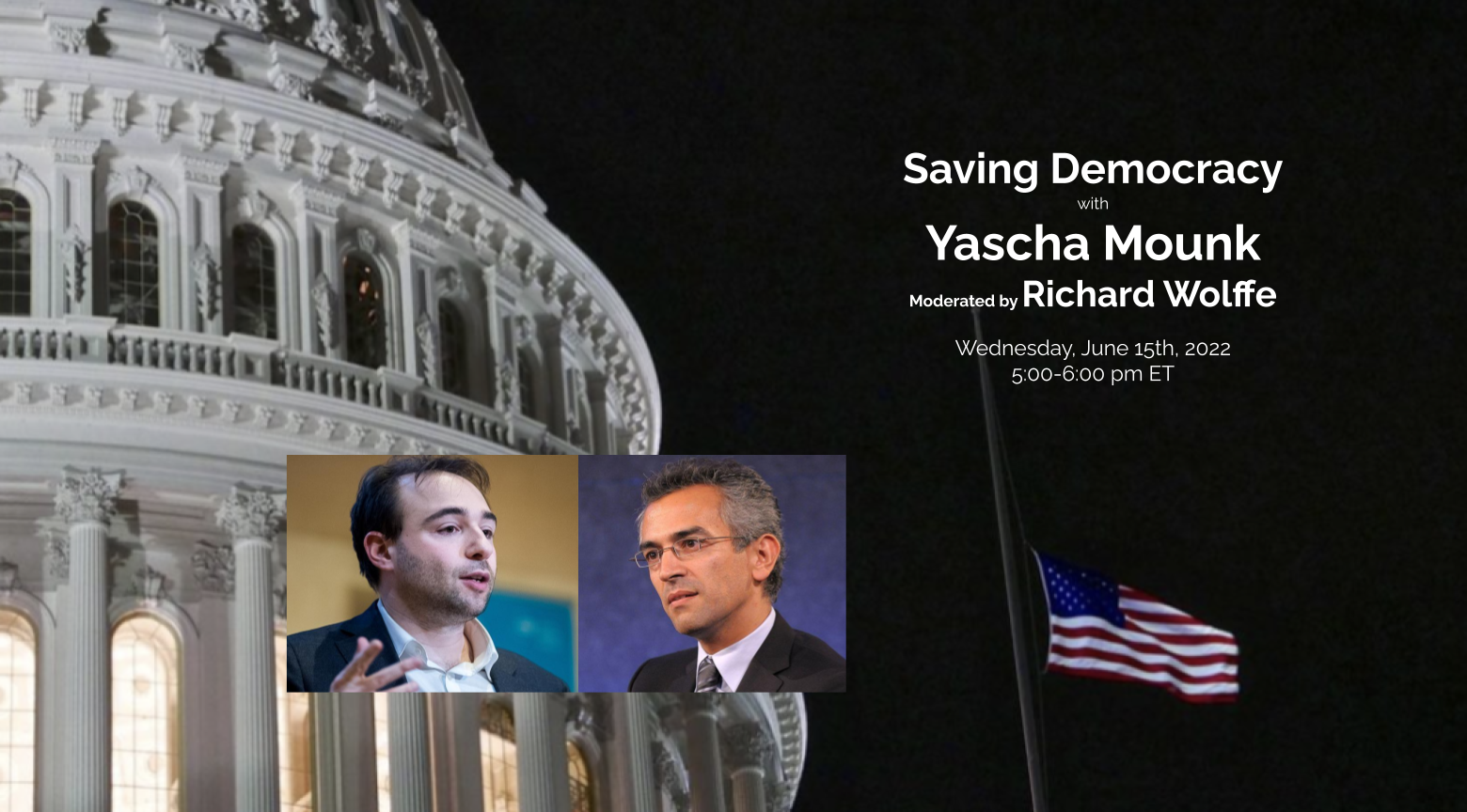
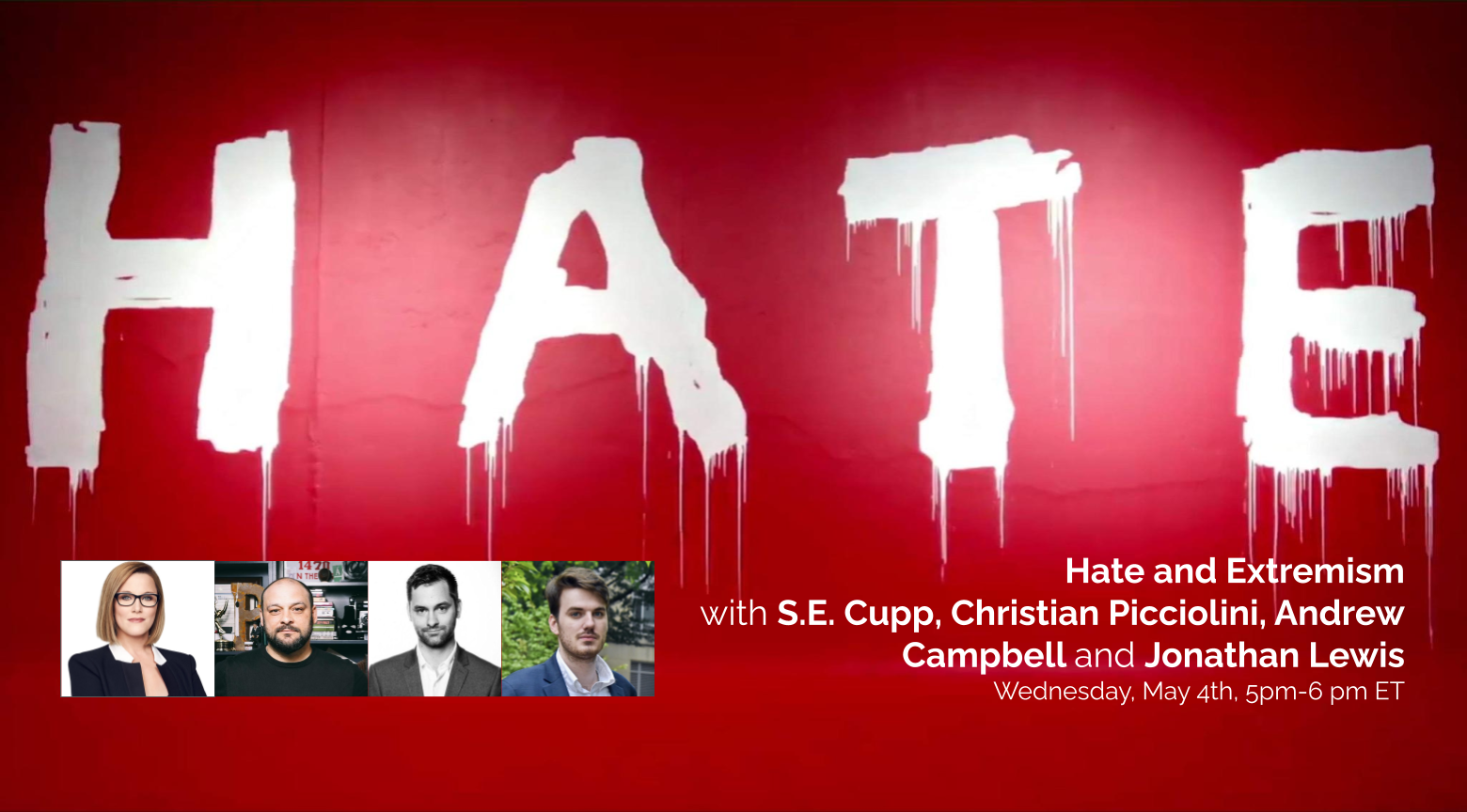
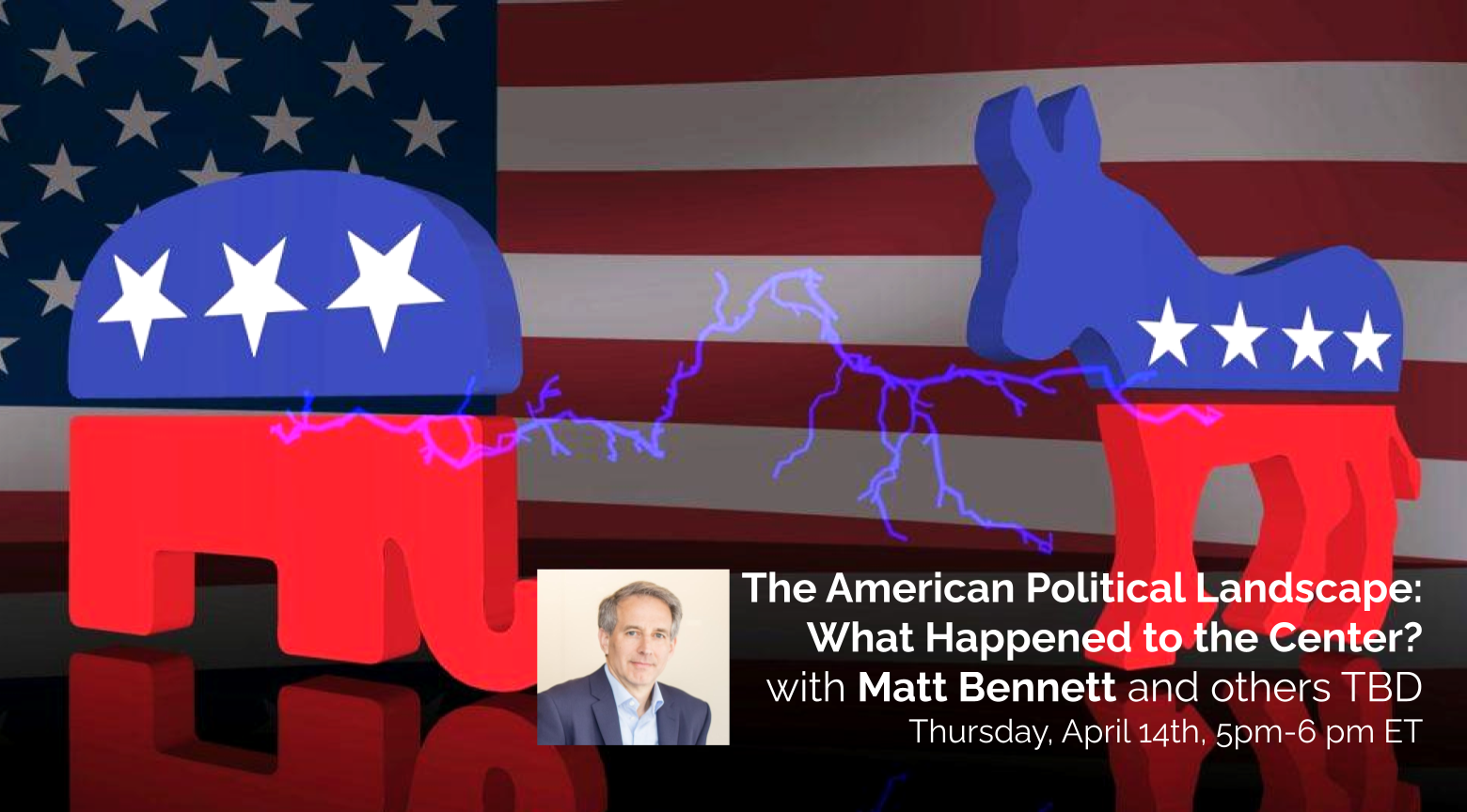
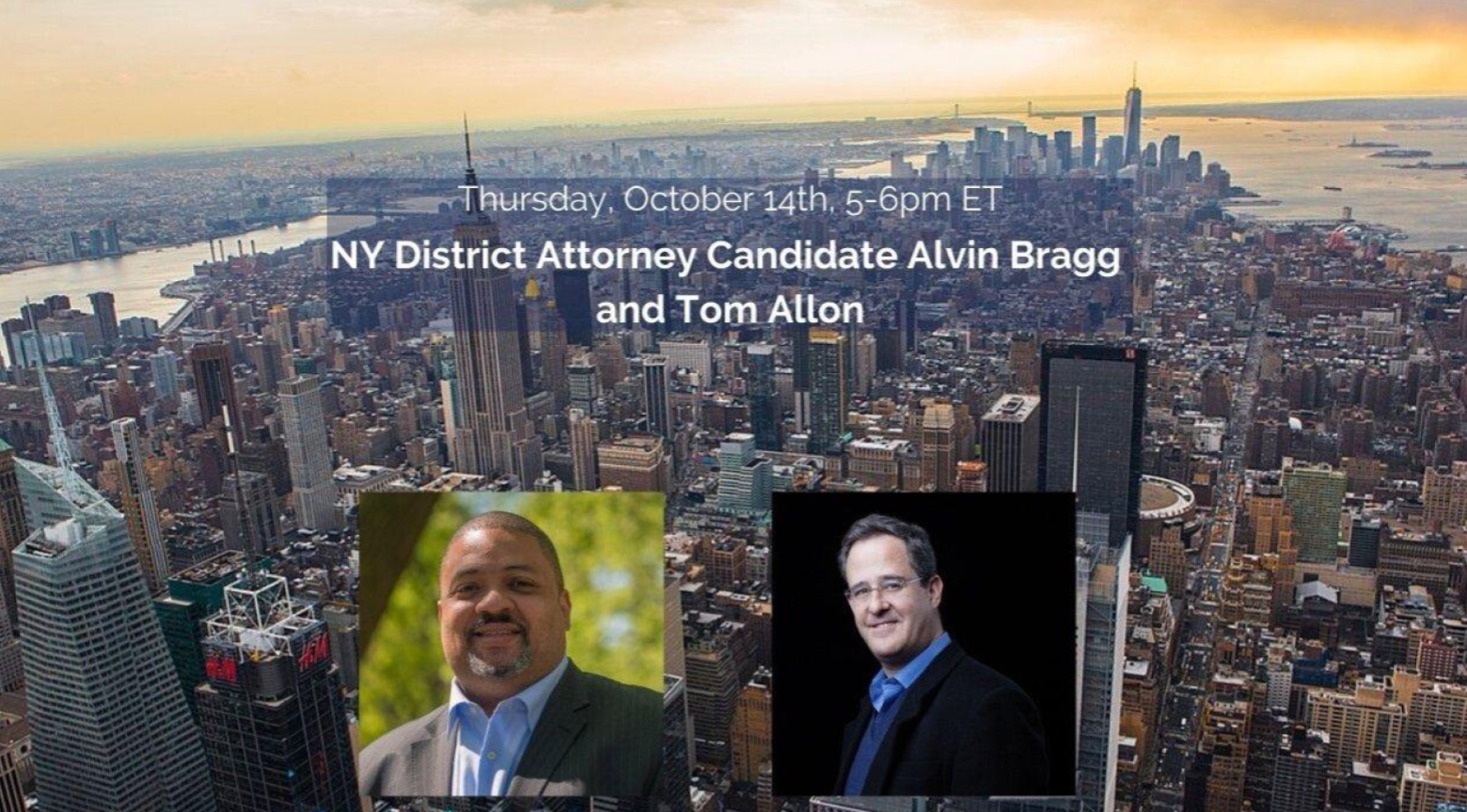
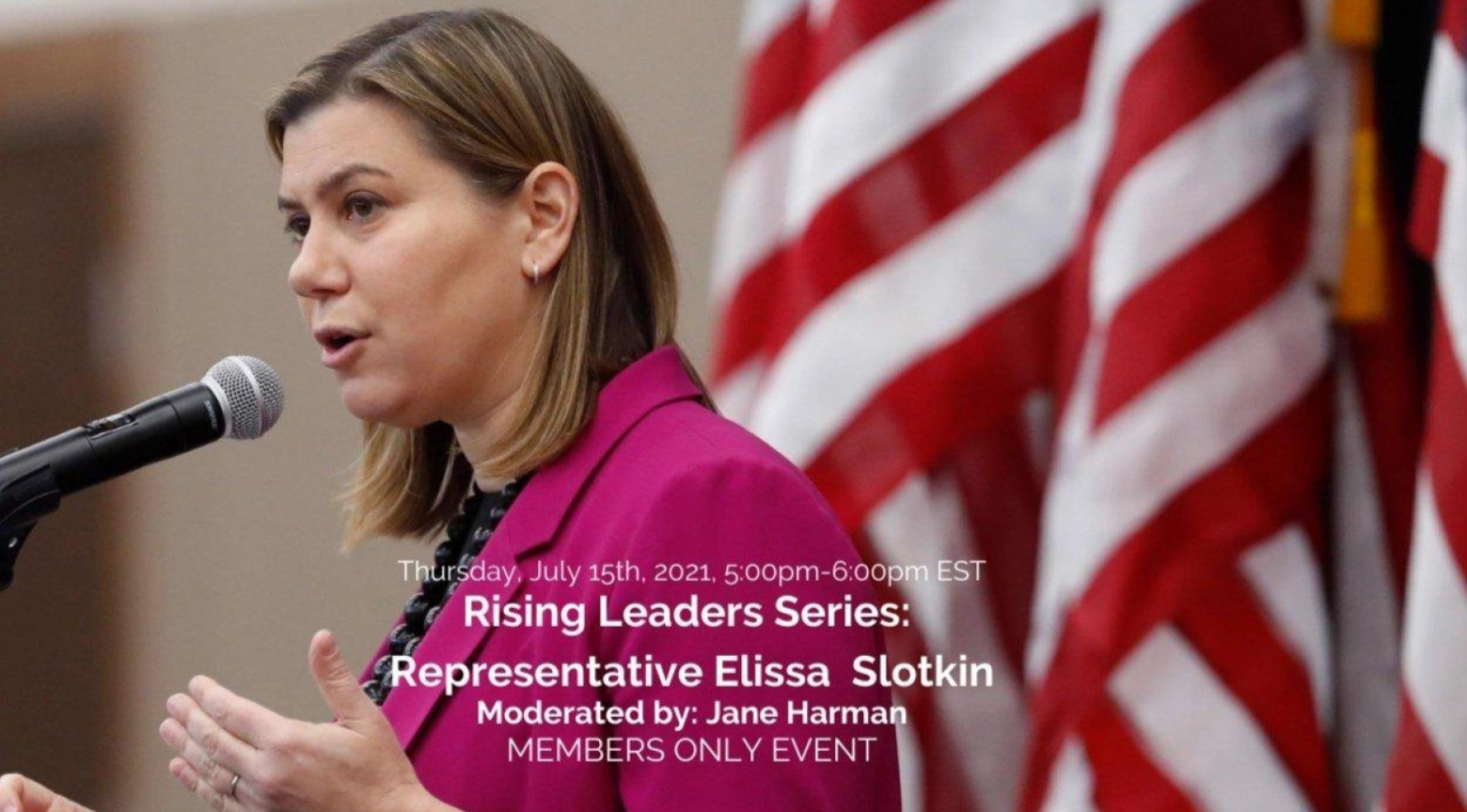
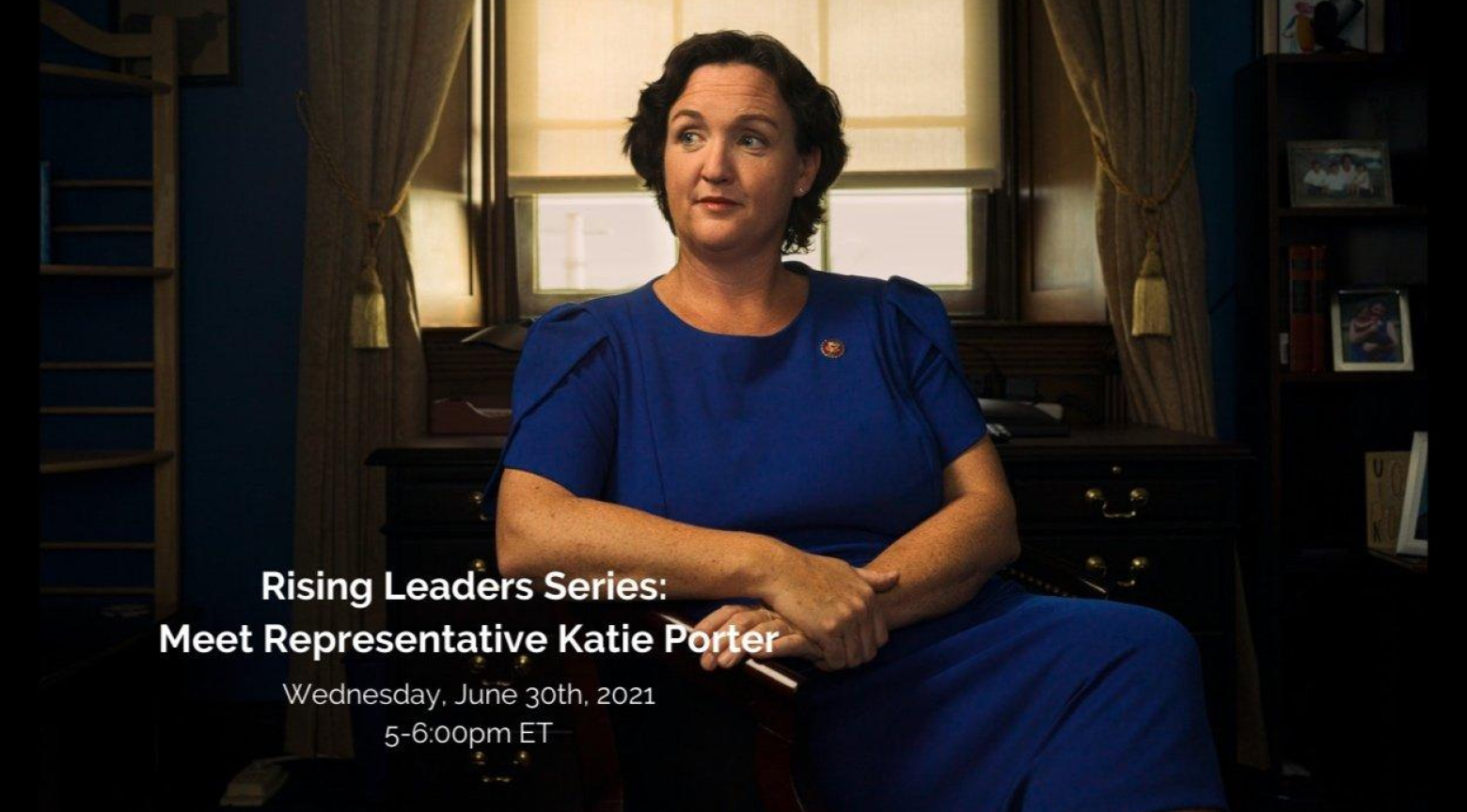
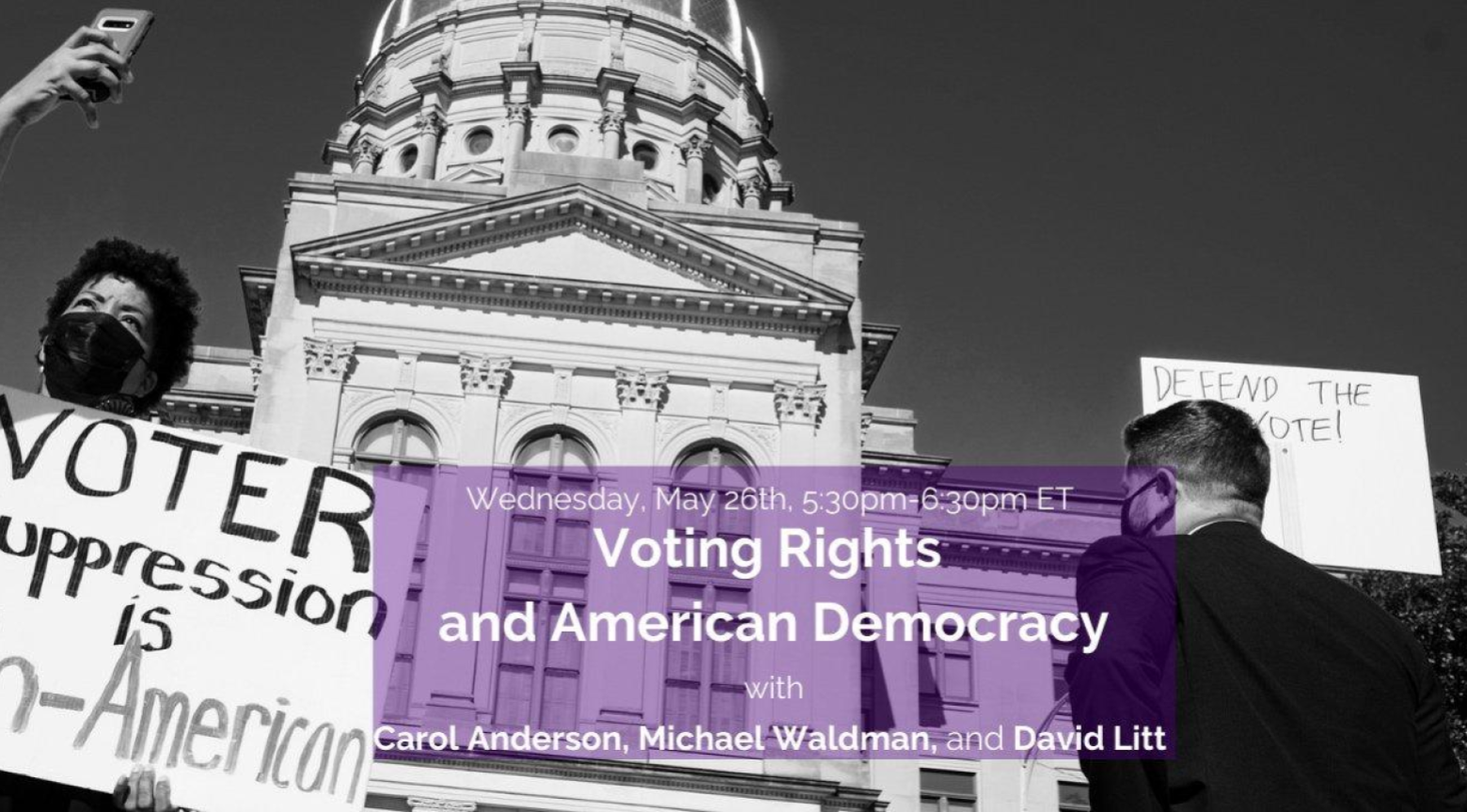
The Common Good is one of the nation’s premier nonprofit, nonpartisan, pro-democracy organizations that promotes civil and informed discourse on major public policy issues. TCG provides opportunities for the dynamic exchange of ideas, taking partisan politics out of policy discussions. We encourage our leaders and our citizens to work together to solve our urgent problems. TCG has offered hundreds of events and programs, film screenings, and informational travel with top thought leaders to thousands of audience participants.
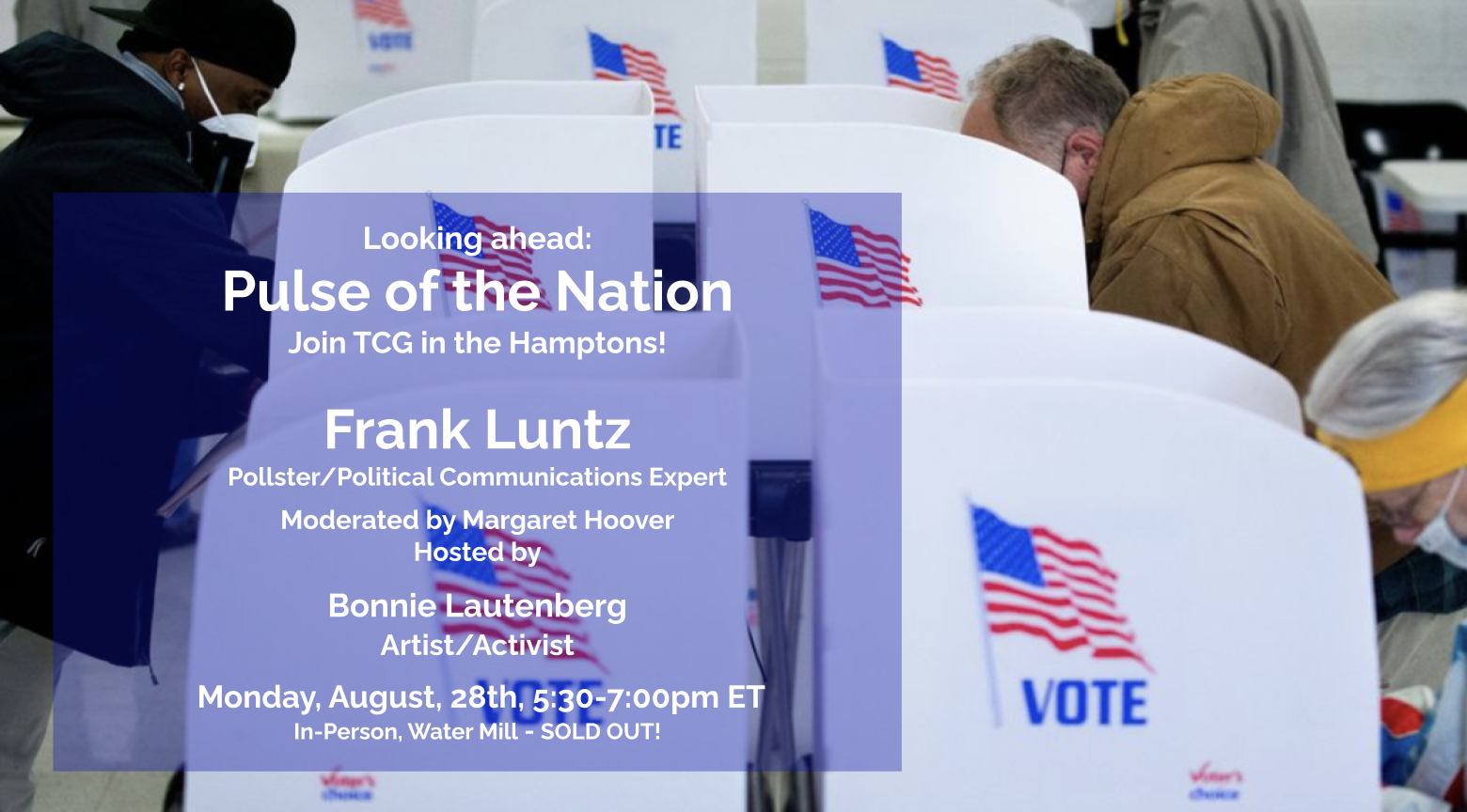
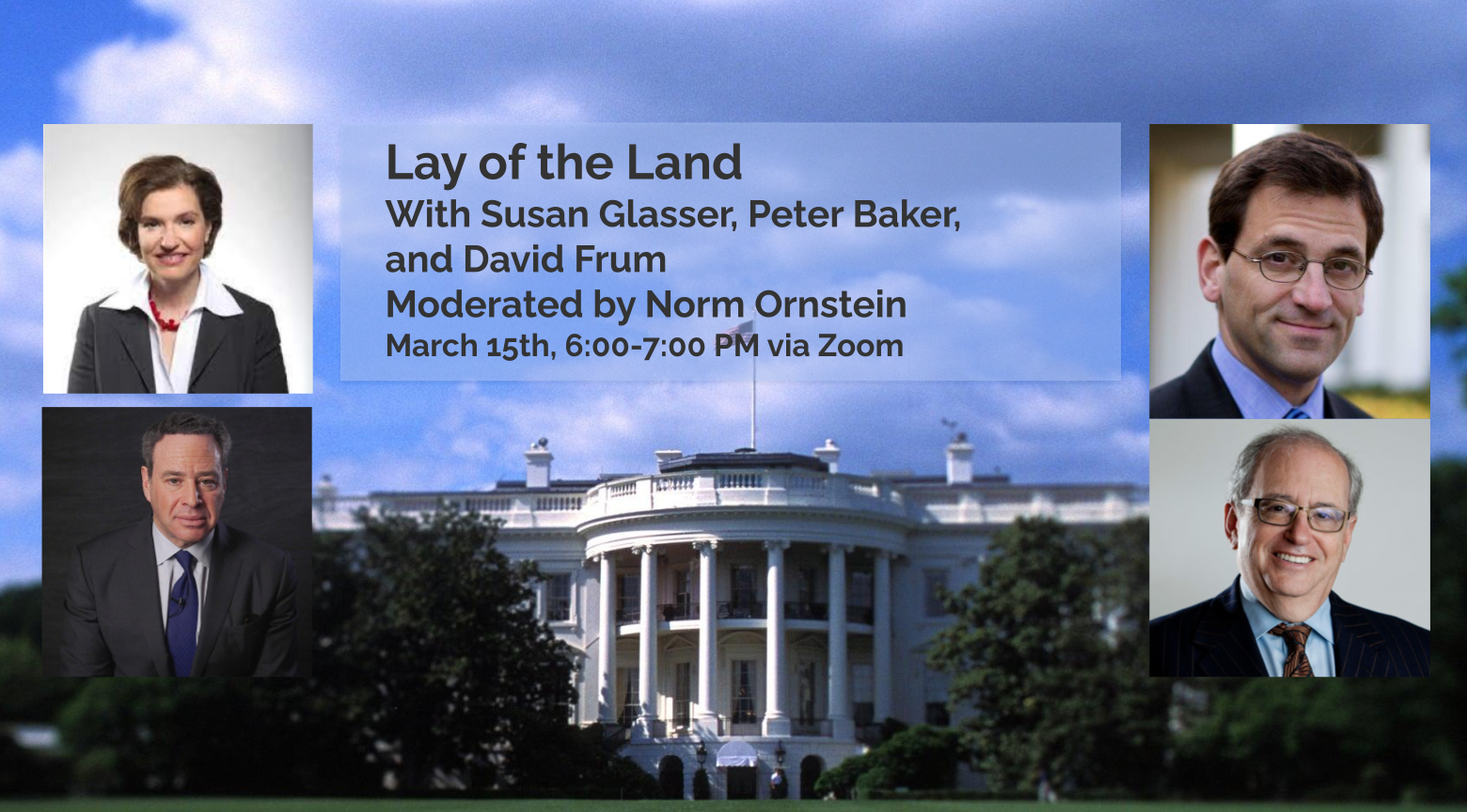
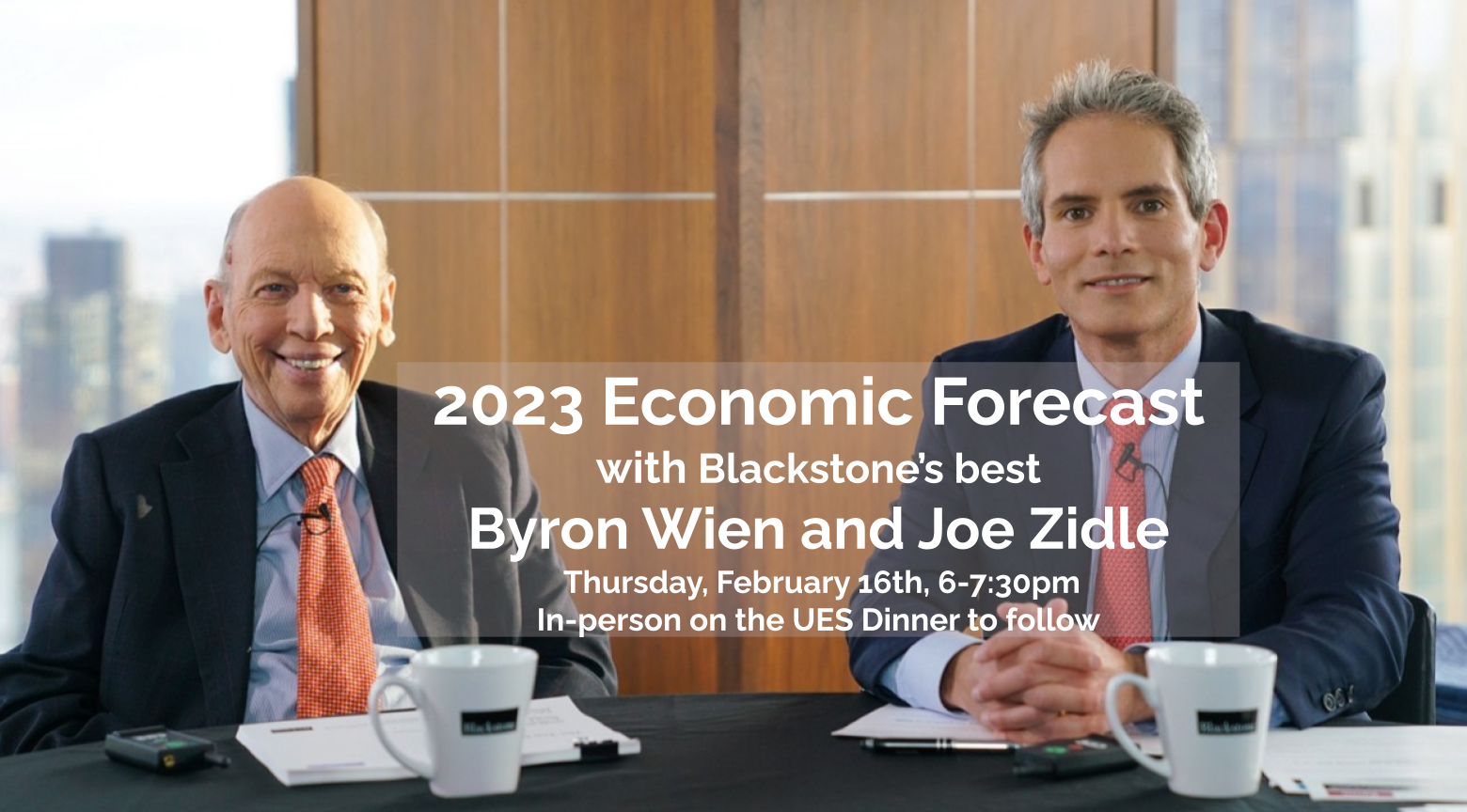
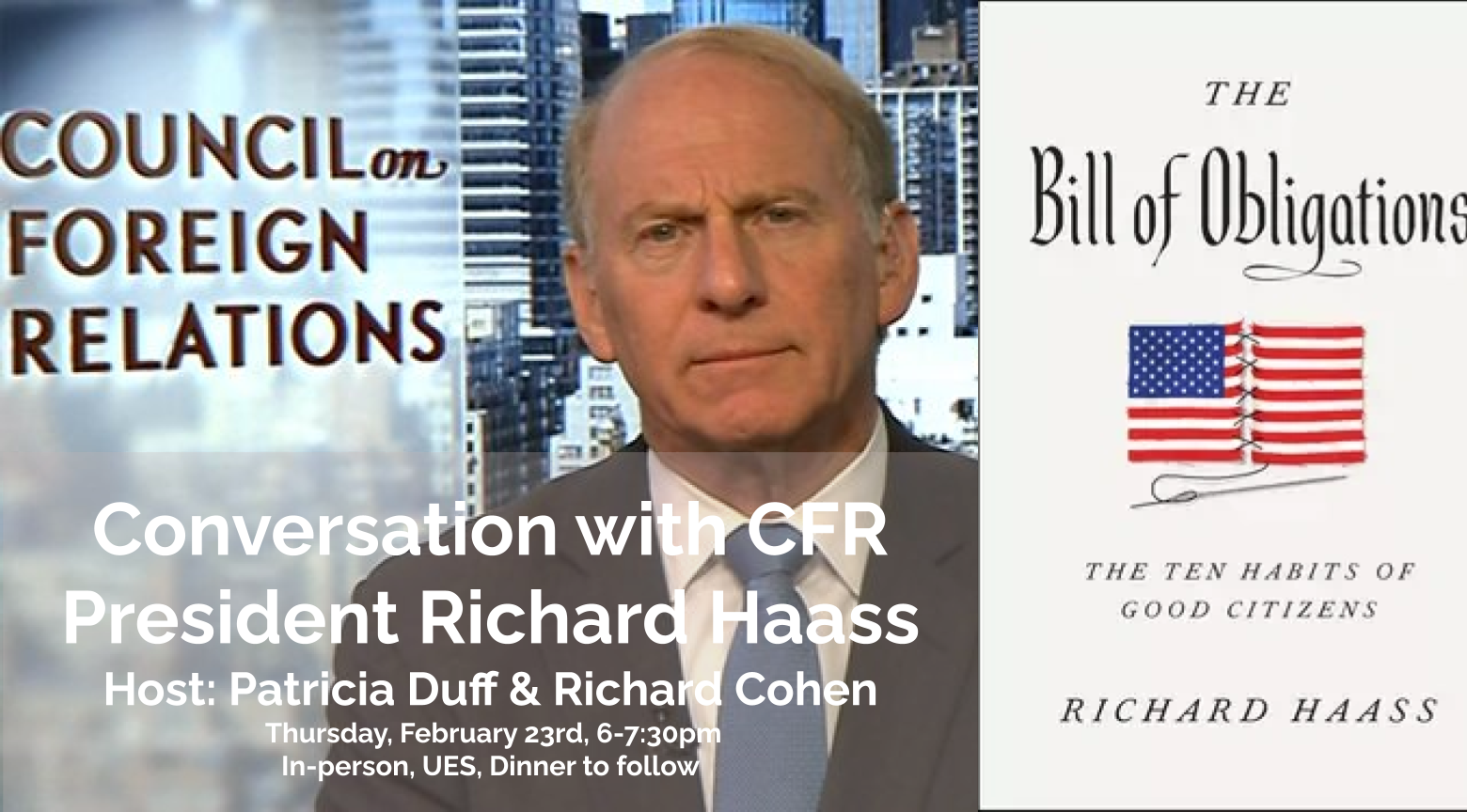
Upcoming Events:
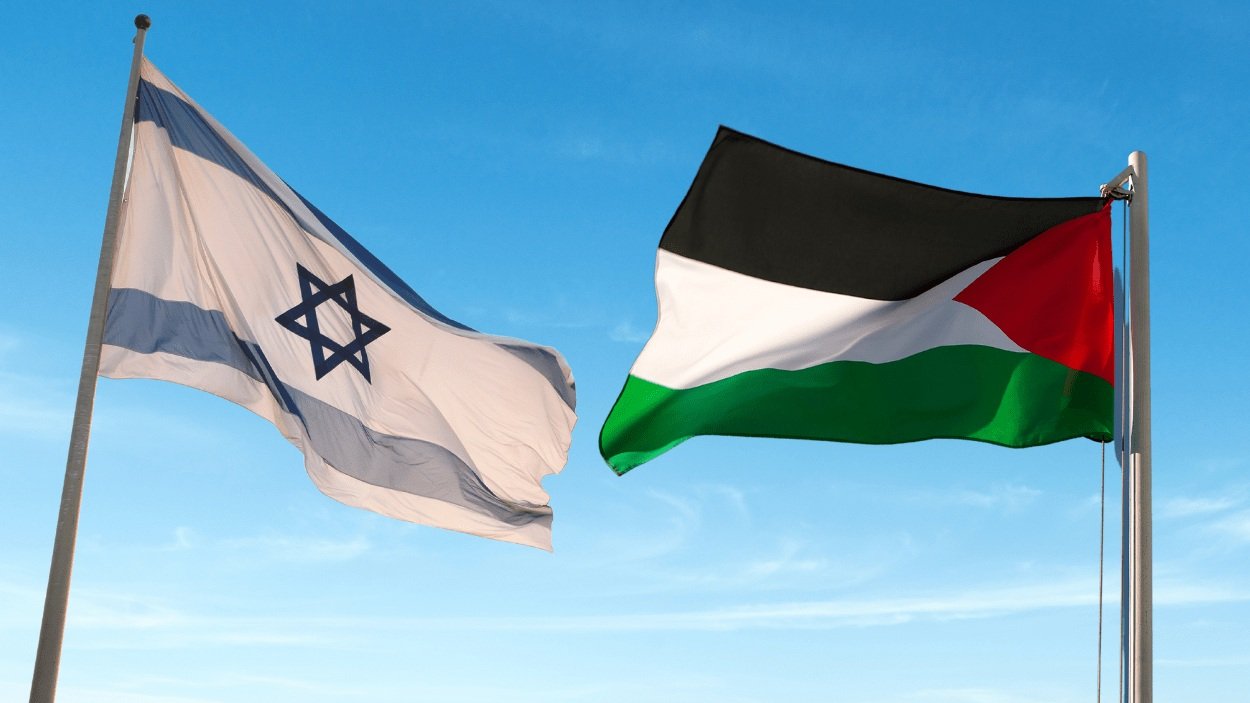


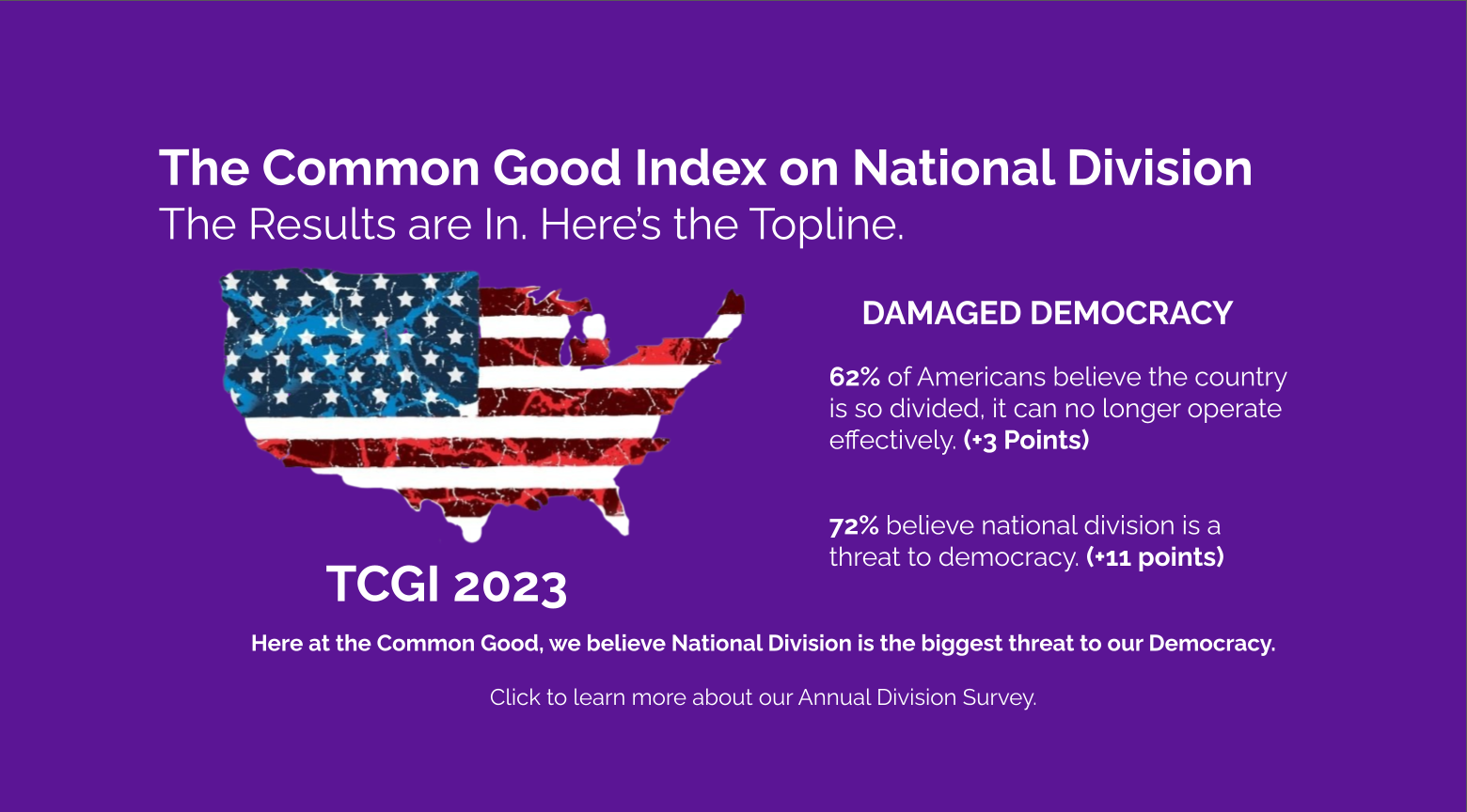
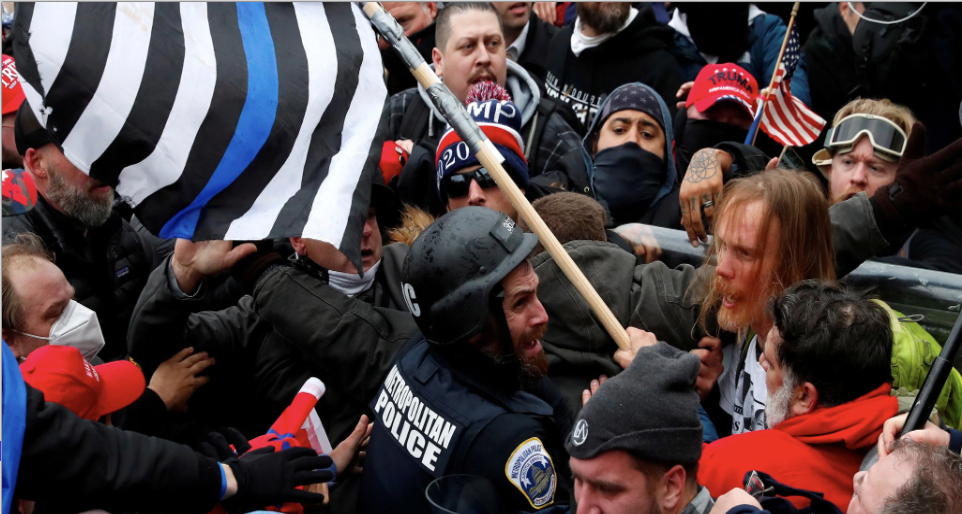
The Common Good Division Index 2023

Our annual national index that quantifies and tracks levels of division, identifies causes and seeks ways to establish a unifying and constructive national dialogue.
Conducted by The Common Good in association with Emerson College Polling, TCGI is based on a national multimodal survey of 1000 18+ U.S. residents.










Past Speakers

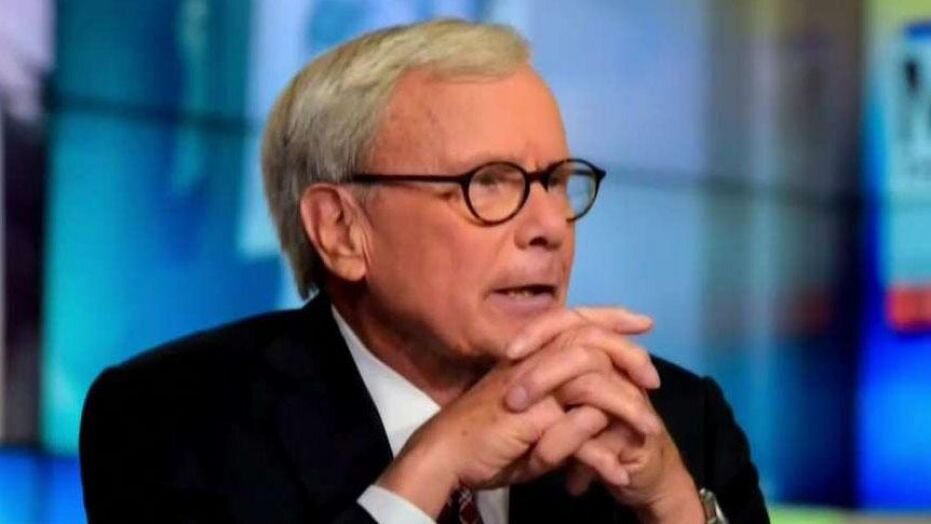
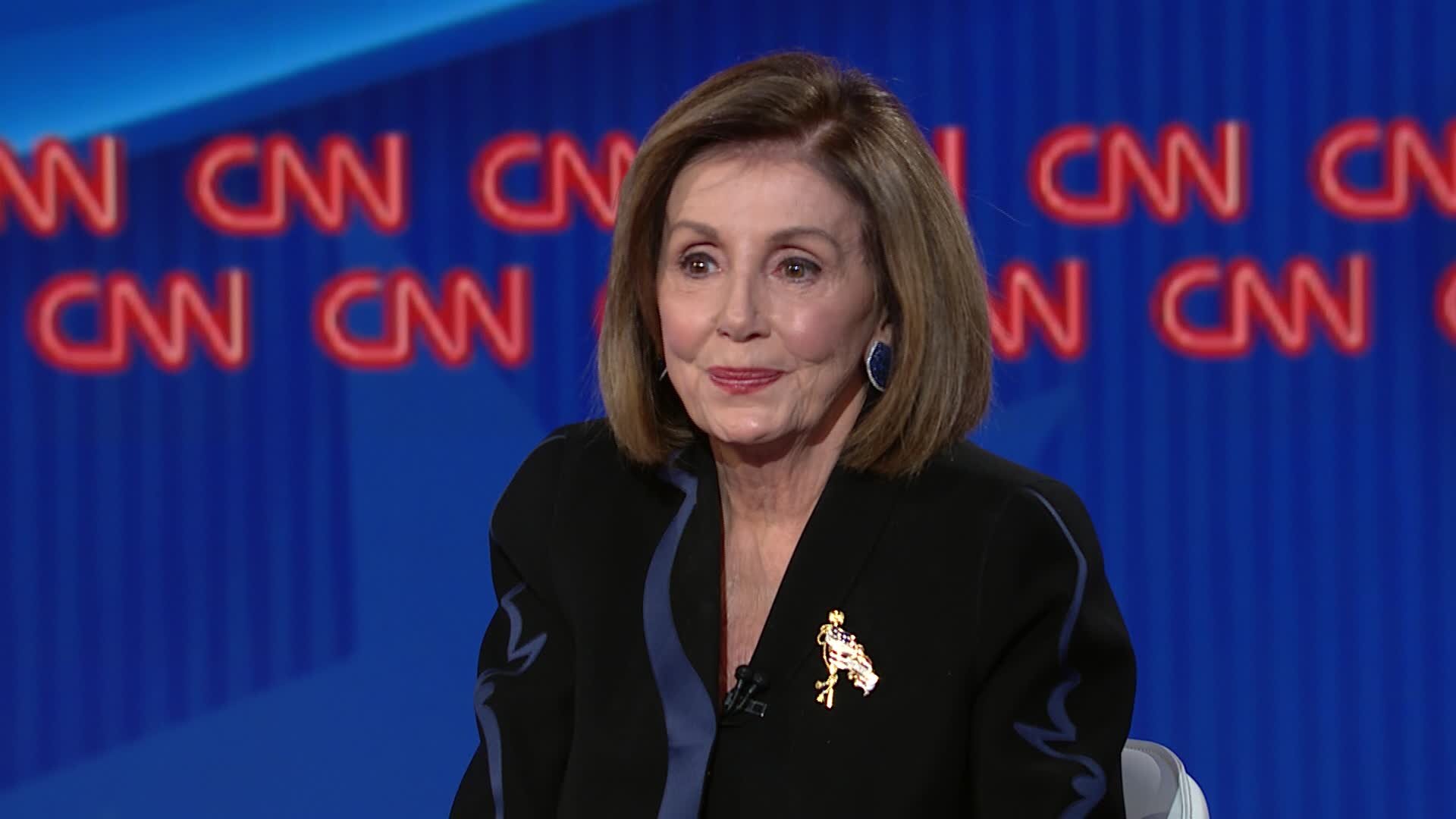
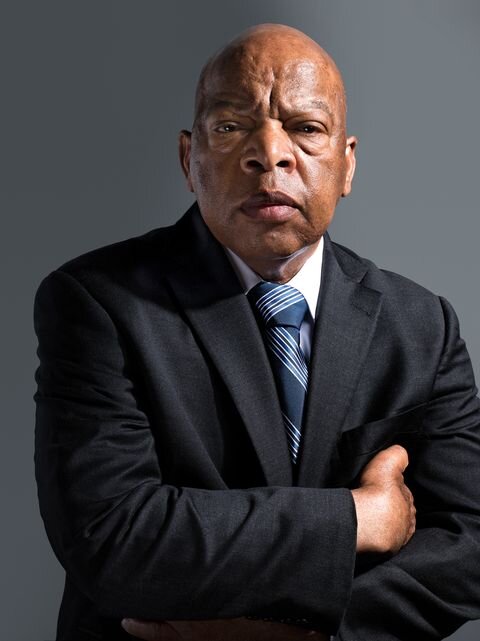
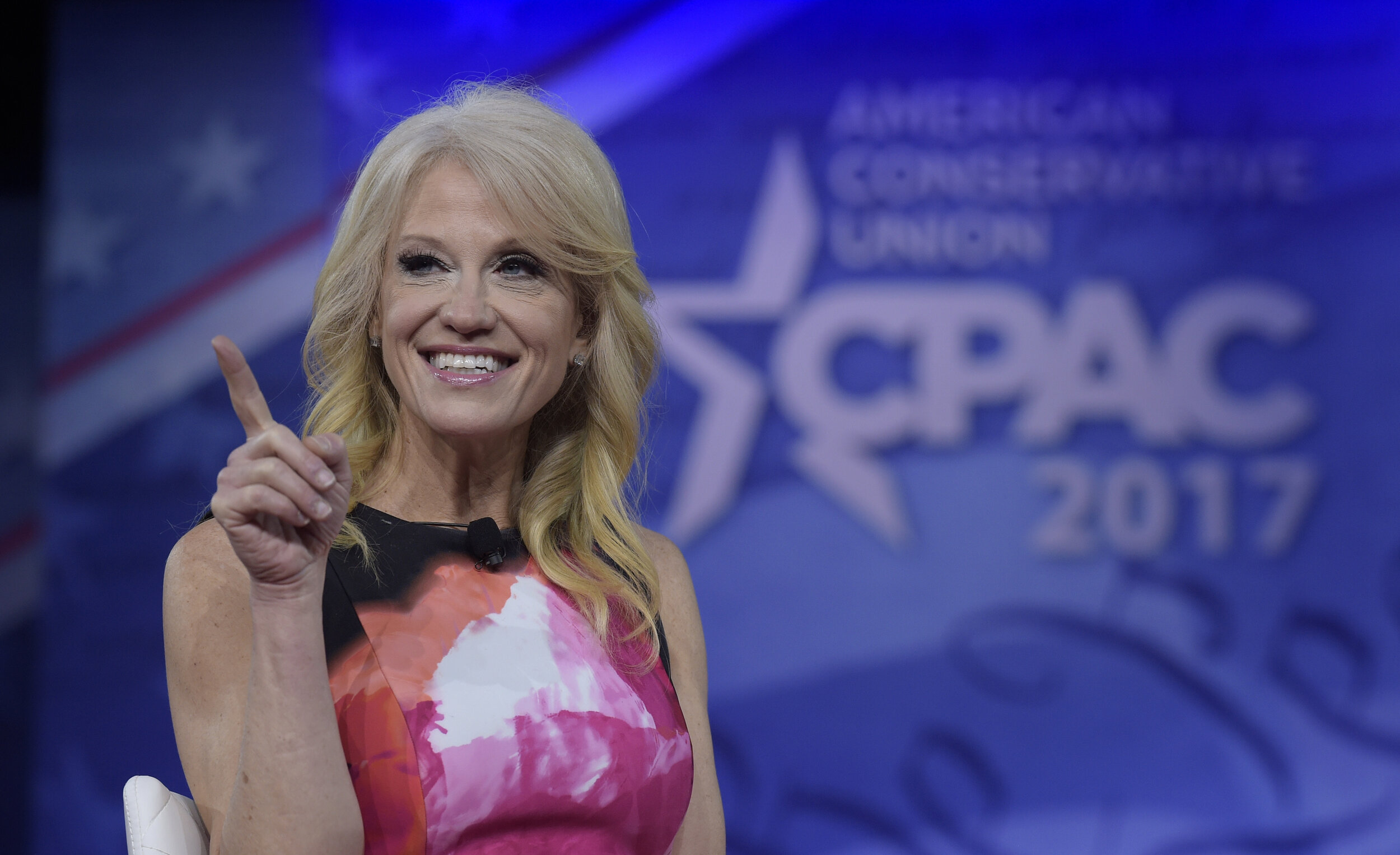

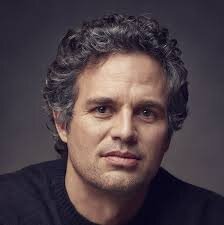
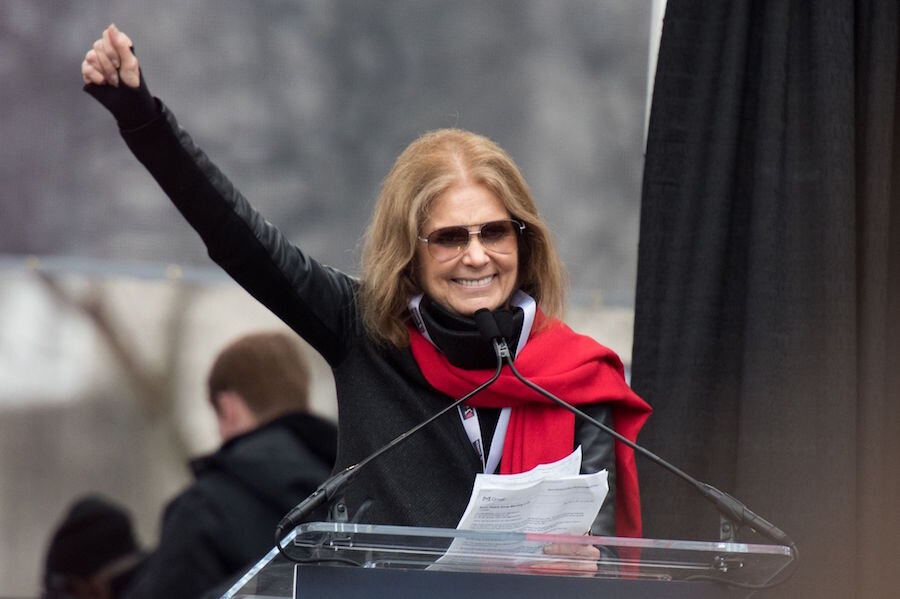
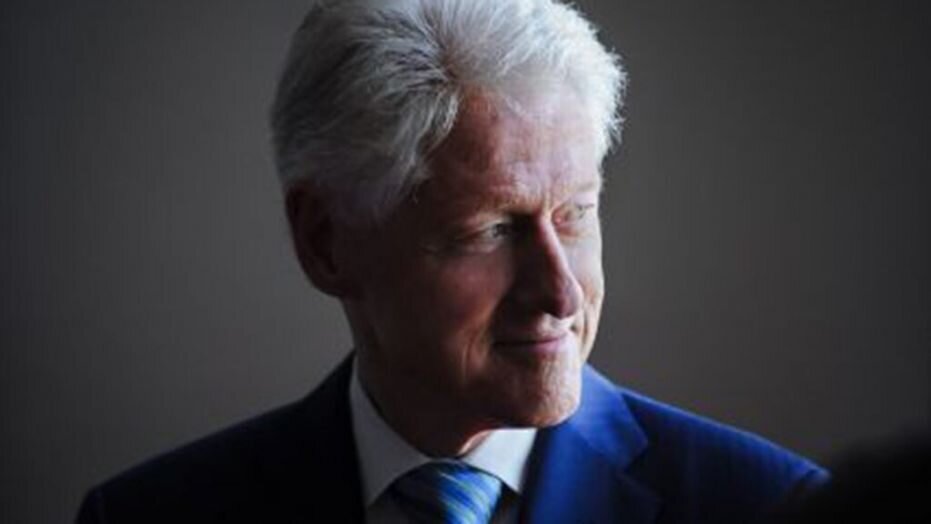

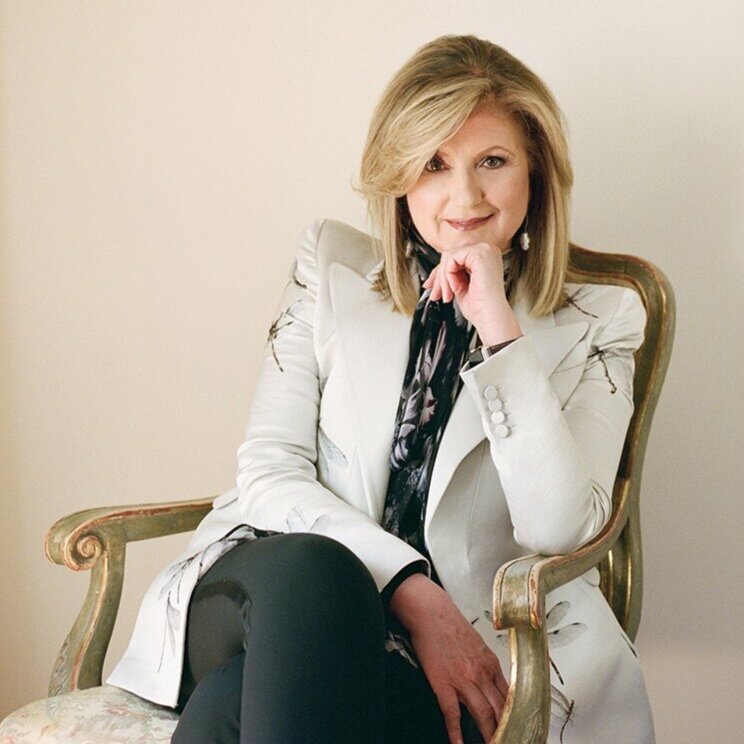
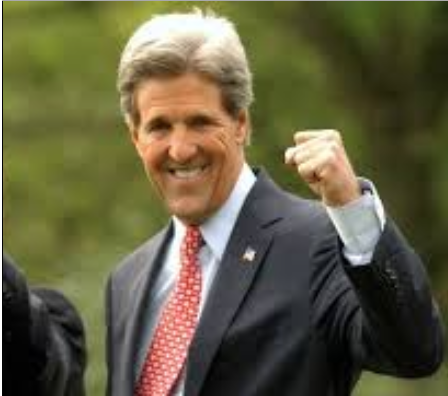
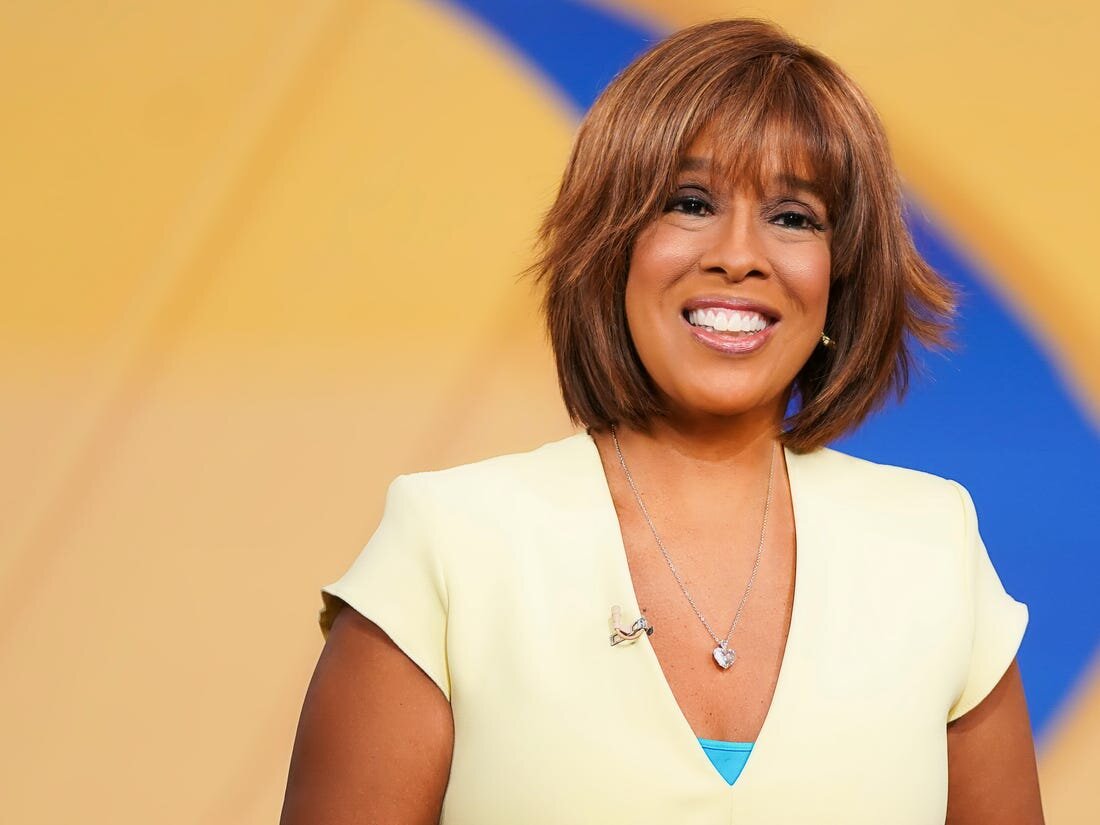
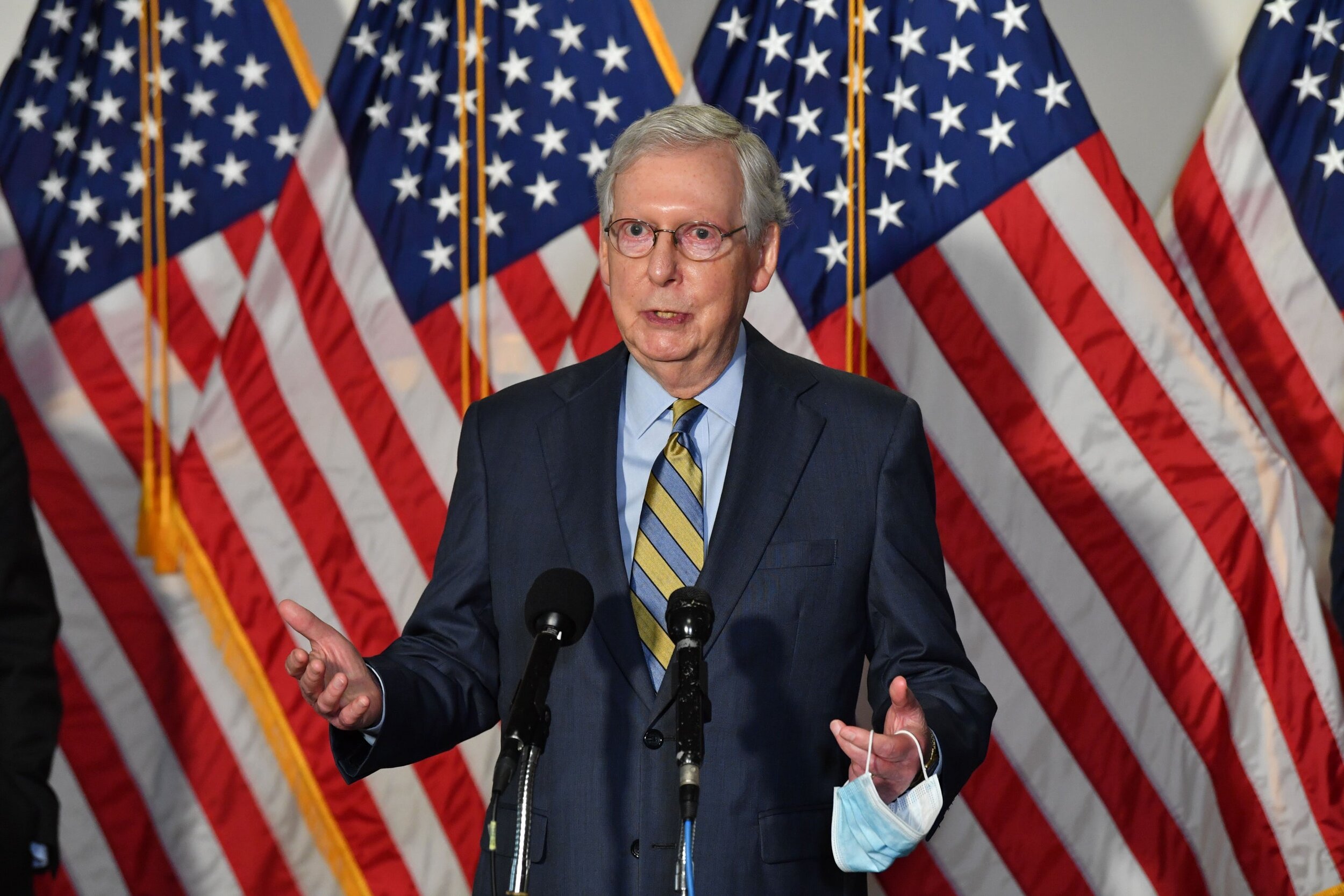
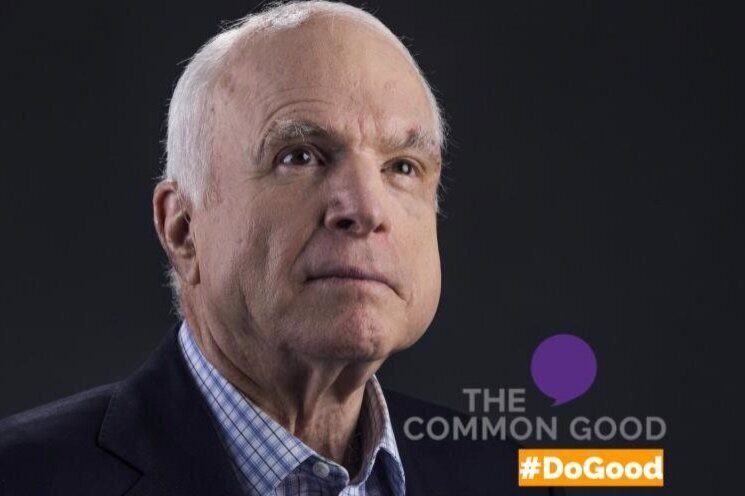
“This is a time to put partisanship aside, roll up our sleeves, and work even harder together to secure the values we hold dear - I thank The Common Good for your great work.”
Join Us
The change begins with you. The Common Good is a membership organization that consists of professionals with an interest in public policy and politics. TCG encourages civil dialogue and good government. We present the highest caliber thought leaders for candid discussions.


Twitter:
Instagram:
Let’s connect